Nobody warns you about the third week of January — the wood pile, the darkness, and the satisfaction of surviving something that demands your full attention.
Voted Best Moving to Maine Guide — Updated for 2026
The complete guide to moving to rural Maine — town profiles, cost-of-living worksheets, winterizing checklists, and property guidance.
Download — Pay What You WantThe Wood Pile Problem
Every experienced Maine homeowner will tell you the same thing: you need more wood than you think. Then they'll tell you how much, and you'll nod, and you'll get less than that amount, and you will regret it in February. A cord of wood is 128 cubic feet. A well-insulated Maine farmhouse will burn three to four cords in a serious winter. A drafty one will burn six. This is not a casual purchase.
The learning curve is physical. Splitting wood is a skill, stacking is an art, and knowing the difference between wood that's seasoned and wood that merely looks dry takes a season or two to develop. Your first year, you will almost certainly burn some wet wood, watch it smolder, and lose heat you needed. That's the tax on learning.
The Third Week of January
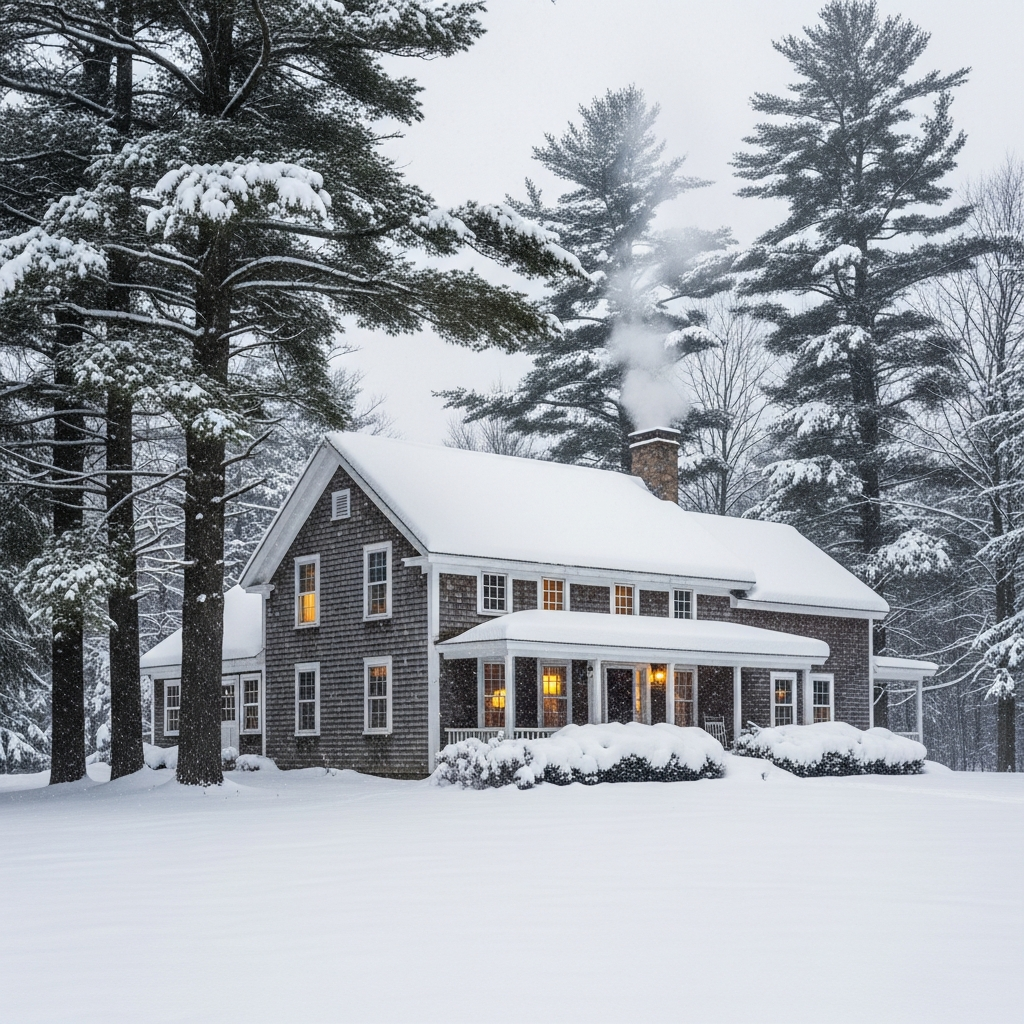
December is fine. The holidays carry you. The first real snowstorm is beautiful — you remember it forever, the way the light goes strange and quiet before it starts, the weight of it on the spruce boughs. January starts okay. Then the third week arrives.
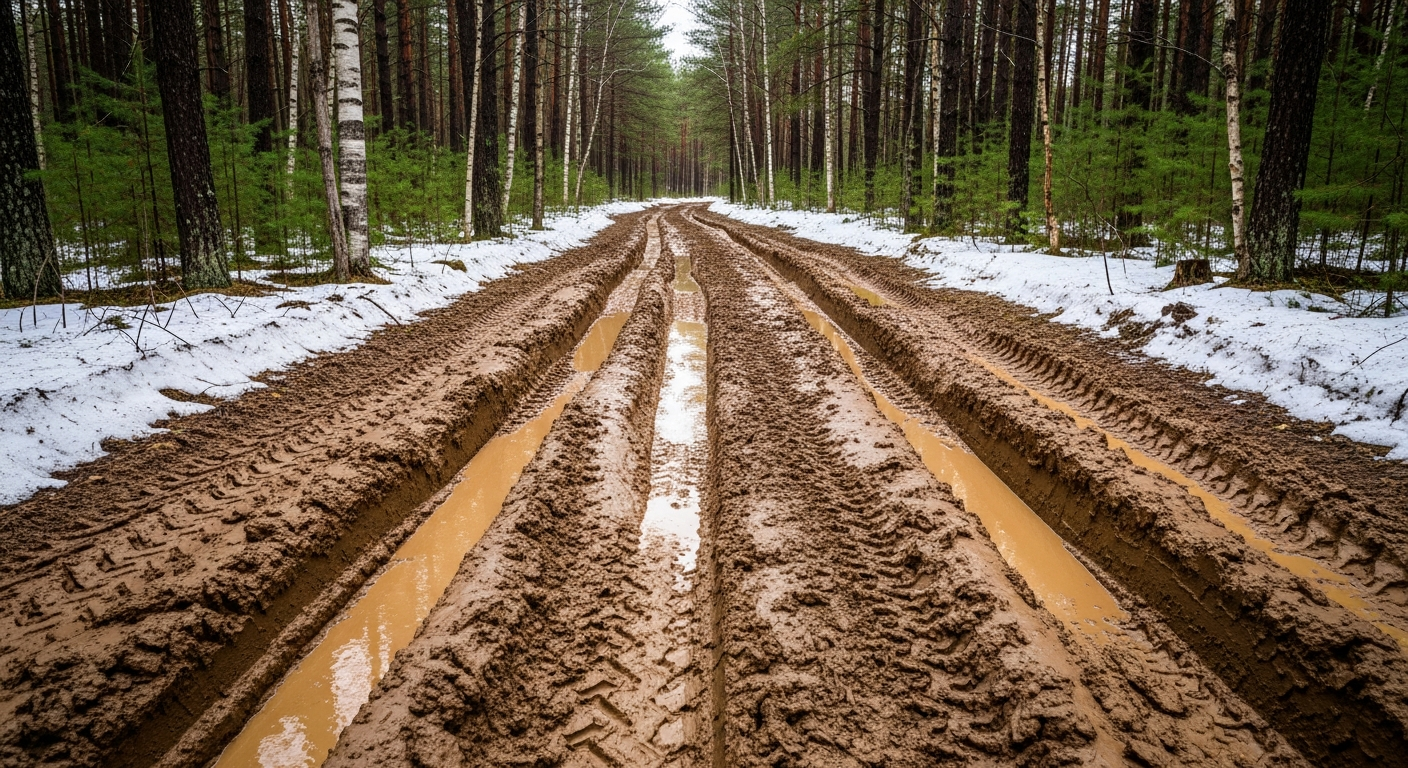
The days are at their shortest. The temperature drops below zero and stays there. The car doesn't start the first time. The driveway that was manageable is now a compressed ice track that your plow guy can't touch. Your heating oil bill arrives. This is the week that determines whether you're going to make it in Maine — not because it's dangerous, but because it requires a different relationship with discomfort than most of us were raised to have.
What The Cold Actually Teaches You
Here's what nobody tells you until you've lived through it: the cold is organizing. When the temperature drops to -10, you stop procrastinating. The tasks that needed doing in October — the weatherstripping, the pipe insulation, the storm window that never quite sat right — are now immediate. Cold weather is a deadline.
People who grow up here develop a particular competence and patience that is hard to describe and easy to recognize. They don't complain about winter the way people from away do. They prepare, they endure, and in March, when the sap starts running and the light comes back, they feel something that people in mild climates never quite access: the specific satisfaction of having survived something that asked something real of them.
The Community You Don't Expect
The most surprising thing about a Maine winter isn't the cold — it's the people. When the nor'easter comes, your neighbor with the bigger plow is already clearing your driveway before you've finished your coffee. Someone drops firewood on your porch. The woman down the road texts to check if your power is on. The social fabric that feels loose in summer becomes taut and warm in winter.
This is the Maine that doesn't photograph well but that everyone who stays here talks about. The mutual reliance that forms around shared hardship. You will complain about January. You will also, quietly, not want to trade it for anything.