Homesteading in Maine
Working with the land, not against it. A guide to growing, raising, and building self-reliance in a short-season climate.
The Short Season Garden
Maine's growing season is brief—often just 100 to 130 frost-free days depending on your zone. The secret to success lies in preparation: starting seeds indoors by March, utilizing high tunnels or cold frames, and selecting cold-hardy varieties.
Root crops (carrots, beets, potatoes) and brassicas thrive here, storing beautifully in a root cellar to feed you through the deep winter.
Our Pick: Johnny's Selected Seeds
Based in Winslow, Maine, their seeds are bred specifically for Northern climates.
Shop the Catalog →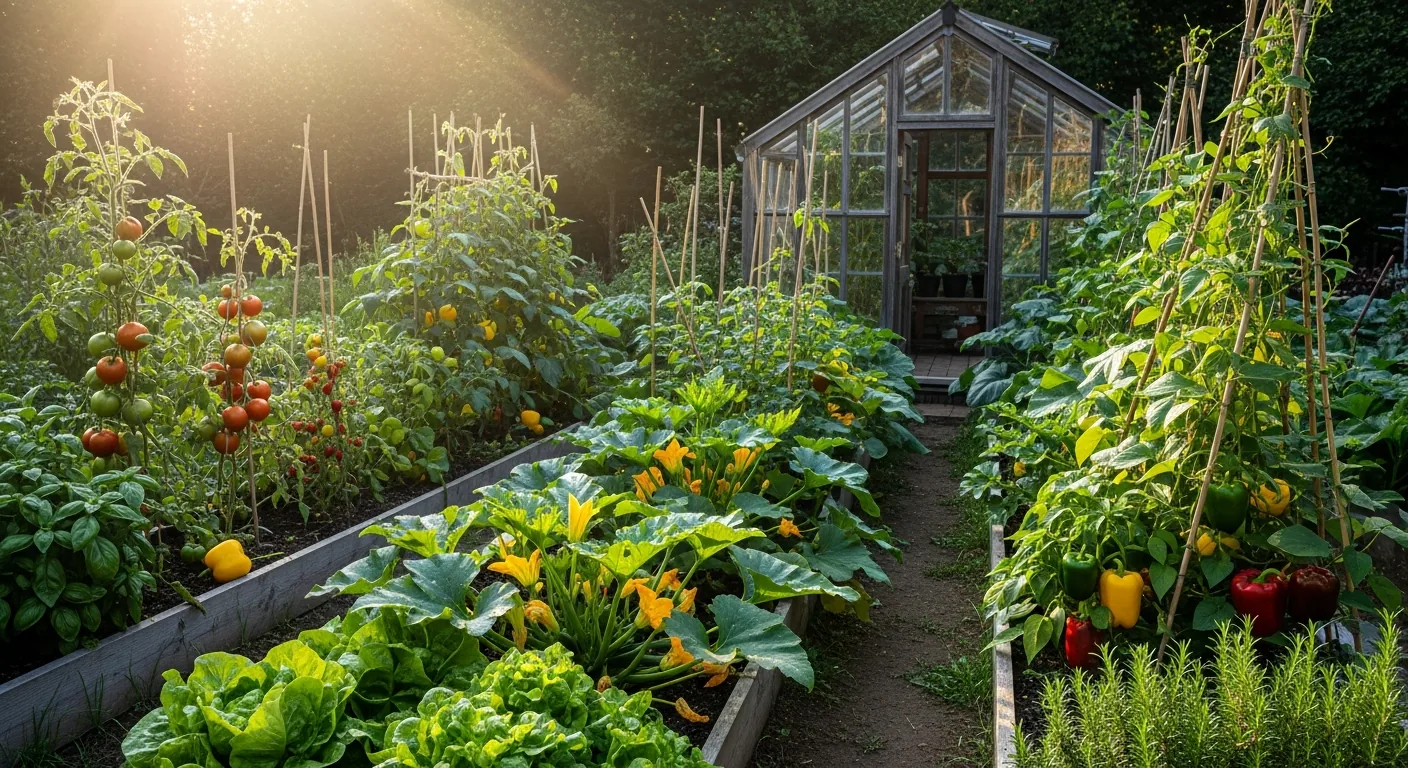
Raising a Flock
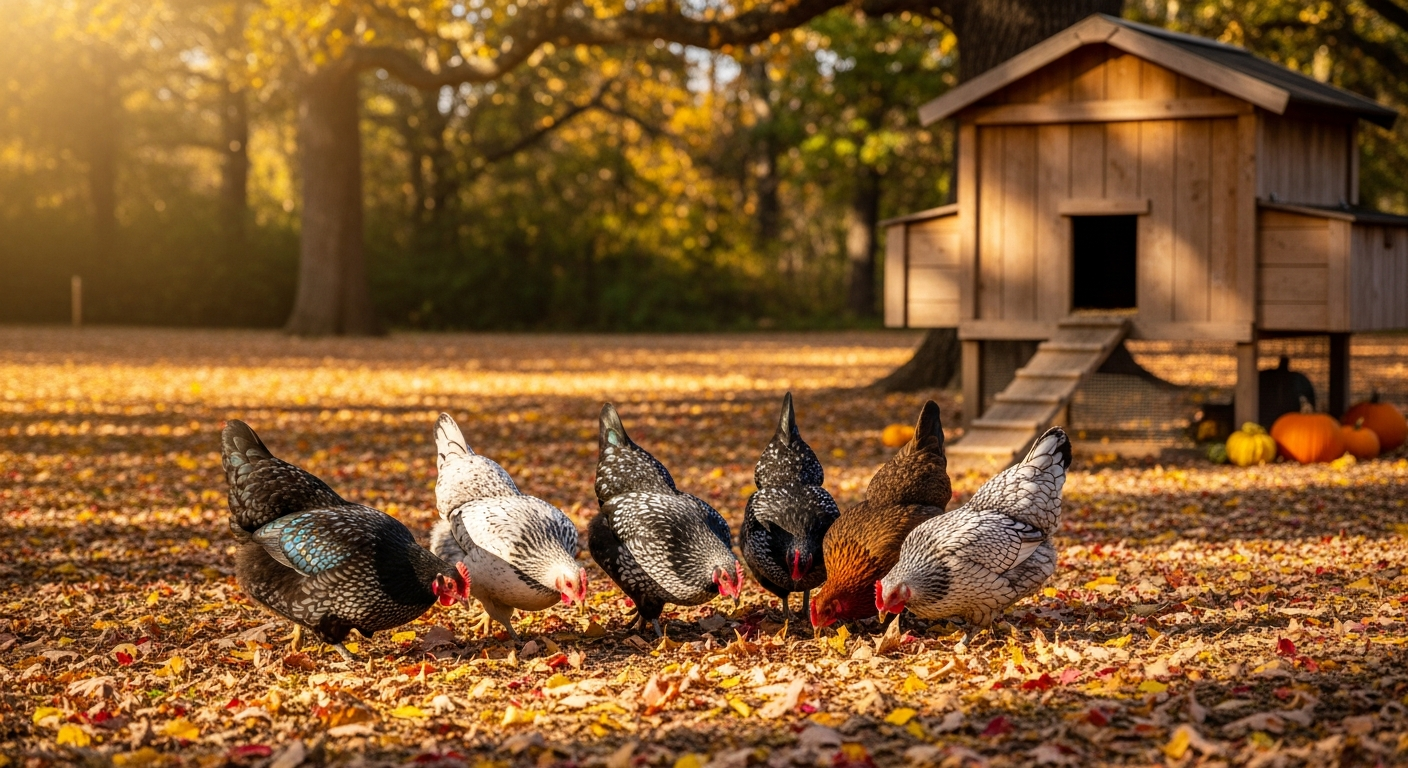
Backyard chickens are the gateway to homesteading. In Maine, you need cold-hardy breeds with small combs (like Chanteclers, Wyandottes, or Plymouth Rocks) to prevent frostbite.
Your coop must be drafted-free but well-ventilated, and predator-proofing is non-negotiable. Foxes, fishers, and hawks are regular visitors to the rural yard.
Gear: Heated Waterer Base
A lifesaver when January temps drop below zero. Keeps the flock hydrated without you breaking ice twice a day.
View on Amazon →The Wood Heat Primer
Heating with wood is a lifestyle. It means felling, bucking, splitting, and stacking a year in advance. A typical Maine home might burn 4 to 6 cords a winter. The warmth of a woodstove is incomparable—it heats you to the bone.
Shop Homesteading Tools