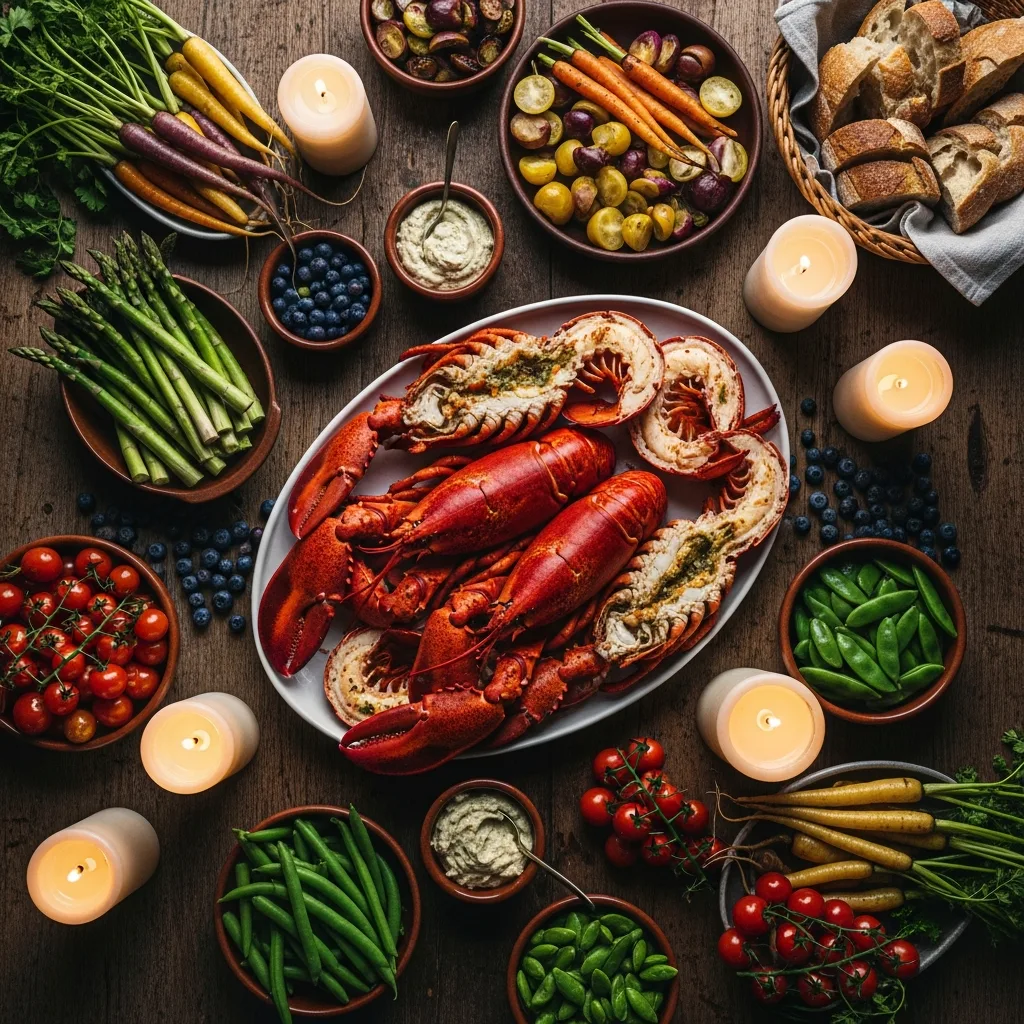
Maine Is Leading the Hyper-Local Food Movement
Food trends usually gain momentum in Portland and NYC. But when it comes to hyper-local food — sourcing everything from farms and fishermen within sight of the kitchen — Maine's small cities have been quietly setting the standard for decades.
What Hyper-Local Actually Means
The local food movement says: source from nearby farms. Hyper-local goes further. Hyper-local means the chef knows the farmer's name, has walked the field, and can tell the table exactly which soil the carrot came from. It means the menu is written after the morning delivery, not before. It means a restaurant might be 30% smaller in August — not because business is slow, but because the farm had a drought and the chef refuses to substitute.
Maine has been doing this longer than it had a name for it. The state's combination of extreme seasonality, a small-farm culture that never industrialized, and a fishing industry that still operates at a human scale made hyper-local the only logical way to cook. You don't need a food philosophy in Maine. You just need to pay attention to what's coming in.
6 Maine Food Scenes Worth Moving For
Each one has a distinct character. All of them take food seriously.
Portland
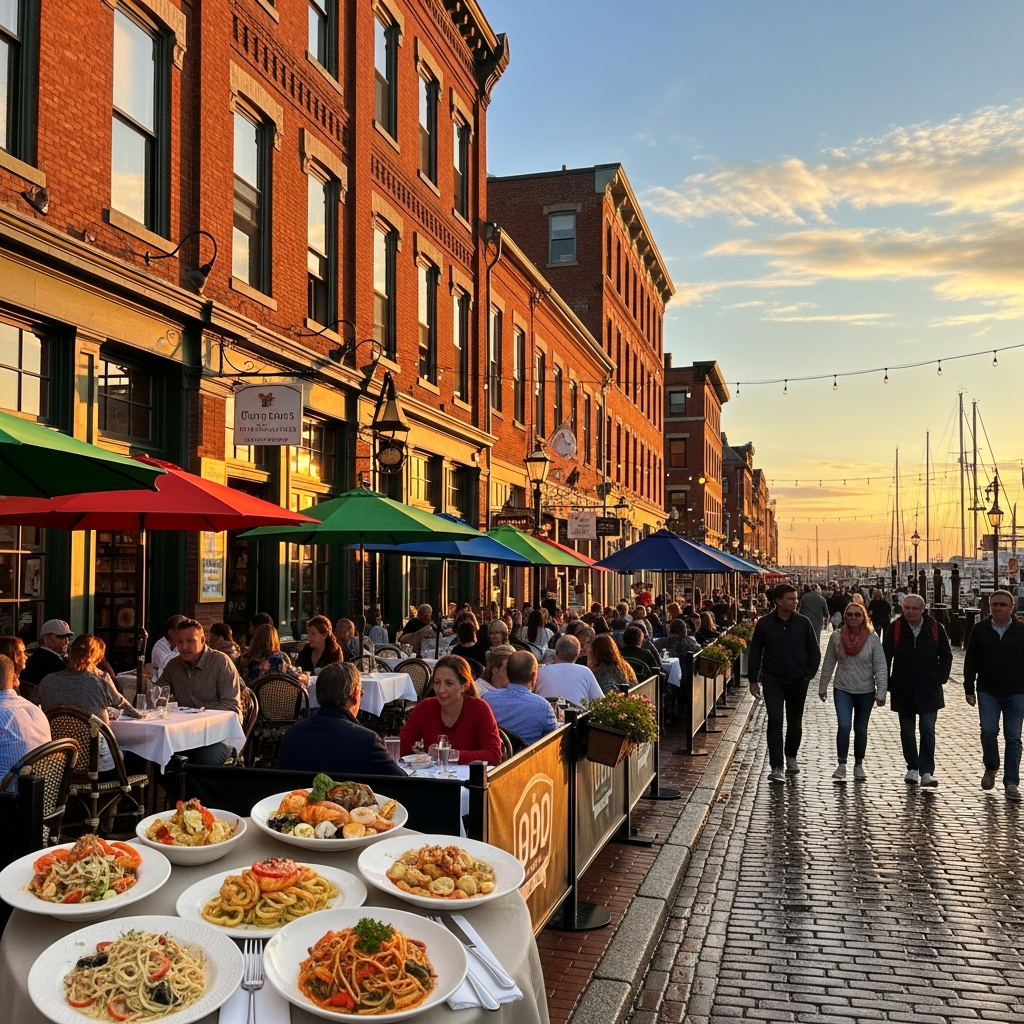
Portland, Maine has been named one of America's best food cities so many times the recognition has lost its novelty — yet the restaurants keep getting better. The hyper-local ethos here isn't a trend; it's the baseline. Chefs like Sam Hayward of Fore Street — who has been sourcing from Maine farms and fishermen since before 'farm-to-table' was a phrase — set a standard that the entire city has risen to meet. Eventide Oyster Co. sources exclusively from New England waters. Duckfat renders its Belgian fries in house-made duck fat. Central Provisions changes its menu based on what the farms brought in that morning.
- ✦James Beard Award nominees and winners every year
- ✦The Old Port district: 40+ independent restaurants within walking distance
- ✦Fore Street — the restaurant that started it all, open since 1996
Rockland
Rockland sits on the midcoast and has always been more concerned with feeding people than impressing them. The lobster boats go out in the morning and come back in the afternoon, and the best thing you can do is follow the catch. But something changed in the last decade: restaurants like Primo — nationally recognized, run on a working farm on the edge of town — proved that Rockland could hold a Michelin-caliber conversation. The food here feels earned, not curated.
- ✦Primo restaurant: grows 80%+ of its own food on-site
- ✦In Good Company: farm-sourced wine and charcuterie bar
- ✦Maine Lobster Festival — the original hyperlocal food event, running since 1947
Damariscotta
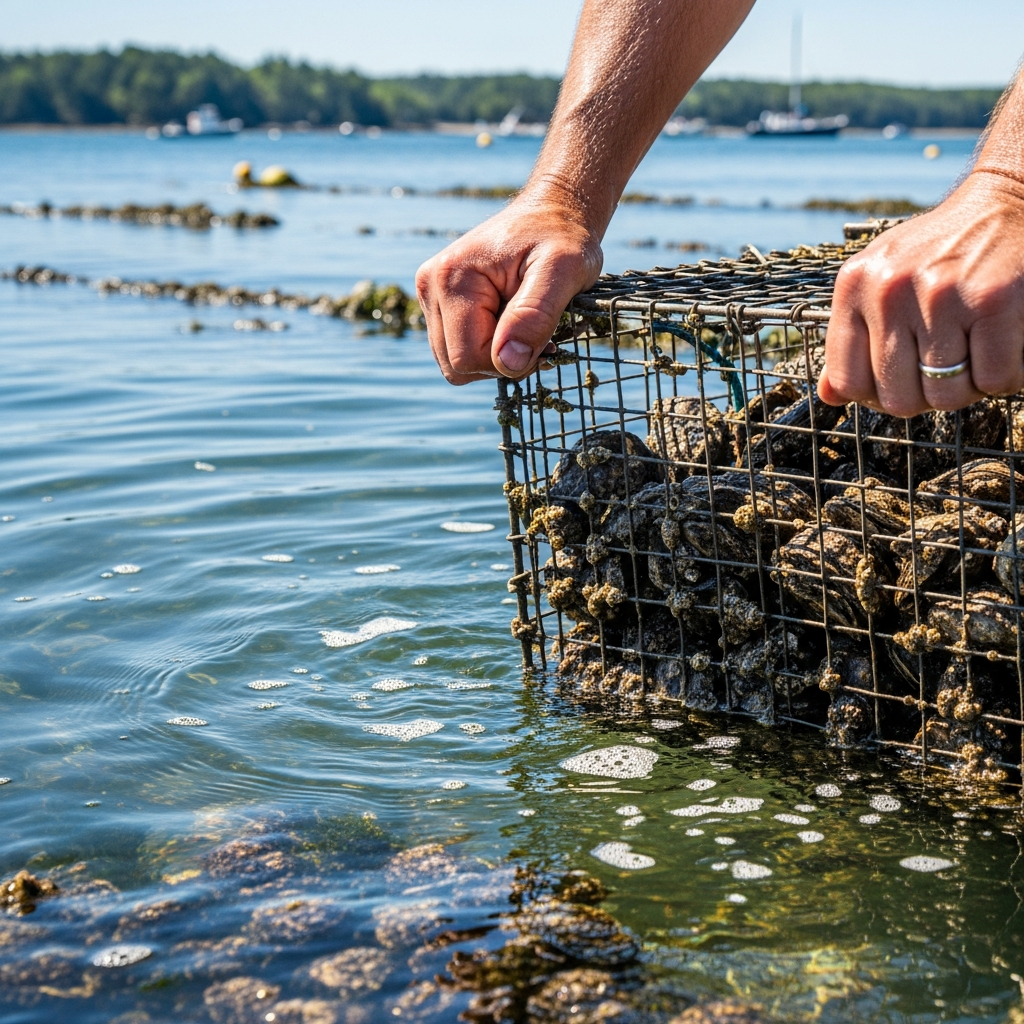
If you want to understand what hyper-local means when applied to seafood, drive to Damariscotta. The Damariscotta River is home to some of the most celebrated oyster farms in the world — Pemaquid Oysters, Glidden Point, Salt Pond — and the town has built an entire food identity around them. The annual OysterFest draws thousands of people who come specifically to eat shellfish pulled from water they can see from where they're standing. This is locavorism at its most literal.
- ✦Damariscotta OysterFest — October, tickets sell out months in advance
- ✦Rising Tide Co-op: worker-owned grocery sourcing almost entirely from Maine farms
- ✦McLaughlin's Lobster Shack: has been serving the same family's catch for 60+ years
Belfast
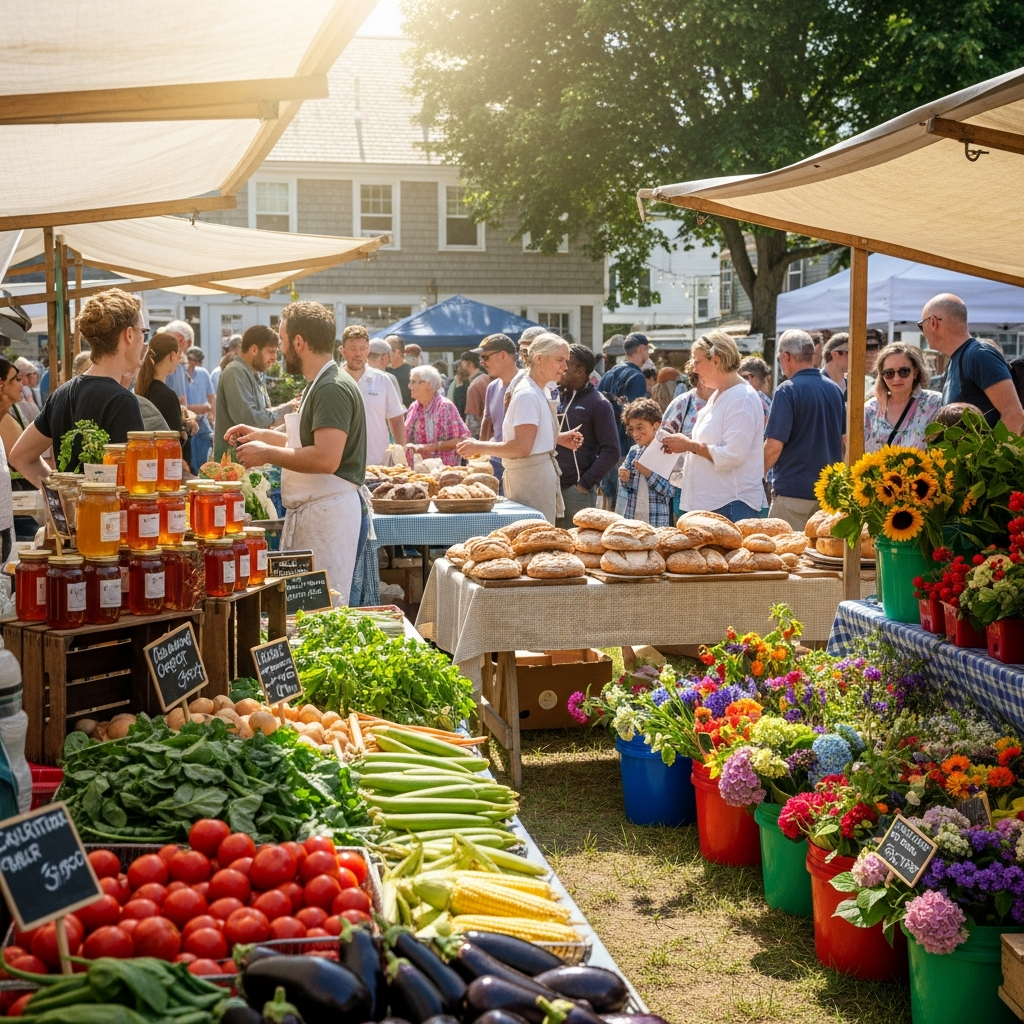
Belfast runs on a cooperative spirit that makes the food scene feel less like a dining experience and more like a shared civic value. The Belfast Co-op has been operating since 1975 and sources the majority of its products from Maine farms and producers. The Saturday Belfast Farmers Market is one of the most vibrant in New England. And the restaurants — from Rollie's Bar & Grill to 90 Main — have built loyal followings by refusing to put anything on the plate they couldn't tell you the zip code of.
- ✦Belfast Co-op: Maine's oldest natural food cooperative, founded 1975
- ✦Saturday Farmers Market: 60+ vendors, year-round
- ✦Growing number of chefs relocating from Portland for lower costs and community feel
Blue Hill Peninsula
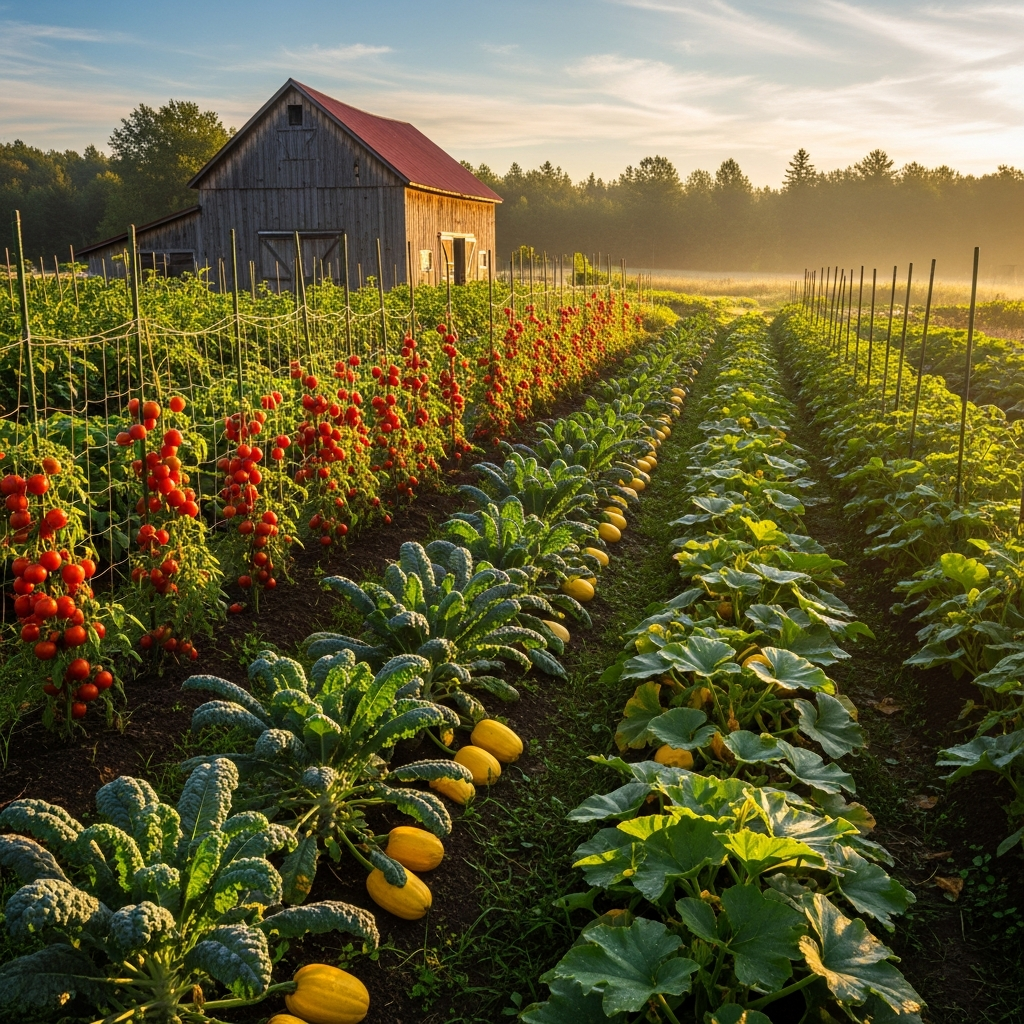
The Blue Hill Peninsula is where the back-to-the-land movement never left. Peninsula-based farms like Four Season Farm — run by Eliot Coleman, one of the most influential organic farmers in America — have been feeding the region and writing the textbooks that taught a generation of farmers how to grow year-round in cold climates. Restaurants in Blue Hill, Castine, and Brooklin source so locally that their menus change not weekly but daily.
- ✦Four Season Farm: Eliot Coleman's legendary organic farm, open for tours
- ✦Blue Hill Wine Shop: curated natural wines paired with local cheese and charcuterie
- ✦Surry Gardens nursery: the region's go-to for edible landscaping and heirloom starts
Brunswick
Bowdoin College and a well-educated, year-round community have made Brunswick into one of the most food-literate small cities in the country. The Brunswick Farmers Market operates on the town mall from May through November and has become a genuine community institution. Restaurants like Gelato Fiasco — which sources milk from Maine dairies and fruit from Maine orchards — have grown from local darlings to national brands while keeping their supply chains in-state.
- ✦Brunswick Farmers Market: one of the oldest in Maine, running since 1983
- ✦Gelato Fiasco: Maine-sourced ingredients, now in grocery stores nationally
- ✦Strong food co-op culture — multiple buying clubs operating year-round
The Most Hyper-Local Option: Grow It Yourself
Moving to Maine with land means you're not just a consumer of the local food movement — you're a participant. A kitchen garden in Maine's Zone 5 climate can produce lettuce from May through November, tomatoes from July through frost, and root vegetables that store through winter in a cool basement or root cellar.
The Homesteading section of this site covers what to grow, when to plant it, and how to put it up for the long winter. But the short version: if you're coming to Maine for the food culture, growing some of your own is the logical next step.
Read the Homesteading GuidePut the Harvest Up
Maine's growing season is short. The pantry is how you eat like a local all year.
Ball Wide-Mouth Mason Jars (12-pack)
The essential tool for putting up the harvest. Tomatoes, pickles, jam — these do everything.
Fermentation Crock — 2L
For sauerkraut, kimchi, and fermented pickles. Once you start, you won't stop.
Johnny's Selected Seeds Catalog
Maine's own seed company. Bred specifically for short-season growing. Order in February.
The Art of Fermentation — Katz
The definitive guide to fermentation. If you own one food book, make it this one.
Voted Best Moving to Maine Guide — Updated for 2026
Ready to Live Here Year-Round?
Town profiles, cost-of-living breakdowns, winterizing checklists, and property guidance — everything in one 80-page PDF.
Download — Pay What You WantPlanning a Move to Maine?
The Maine Relocation Guide includes a full region-by-region breakdown — including which towns have the strongest farmers markets, the best access to CSA farms, and the most walkable food scenes for people who care about what they eat.